
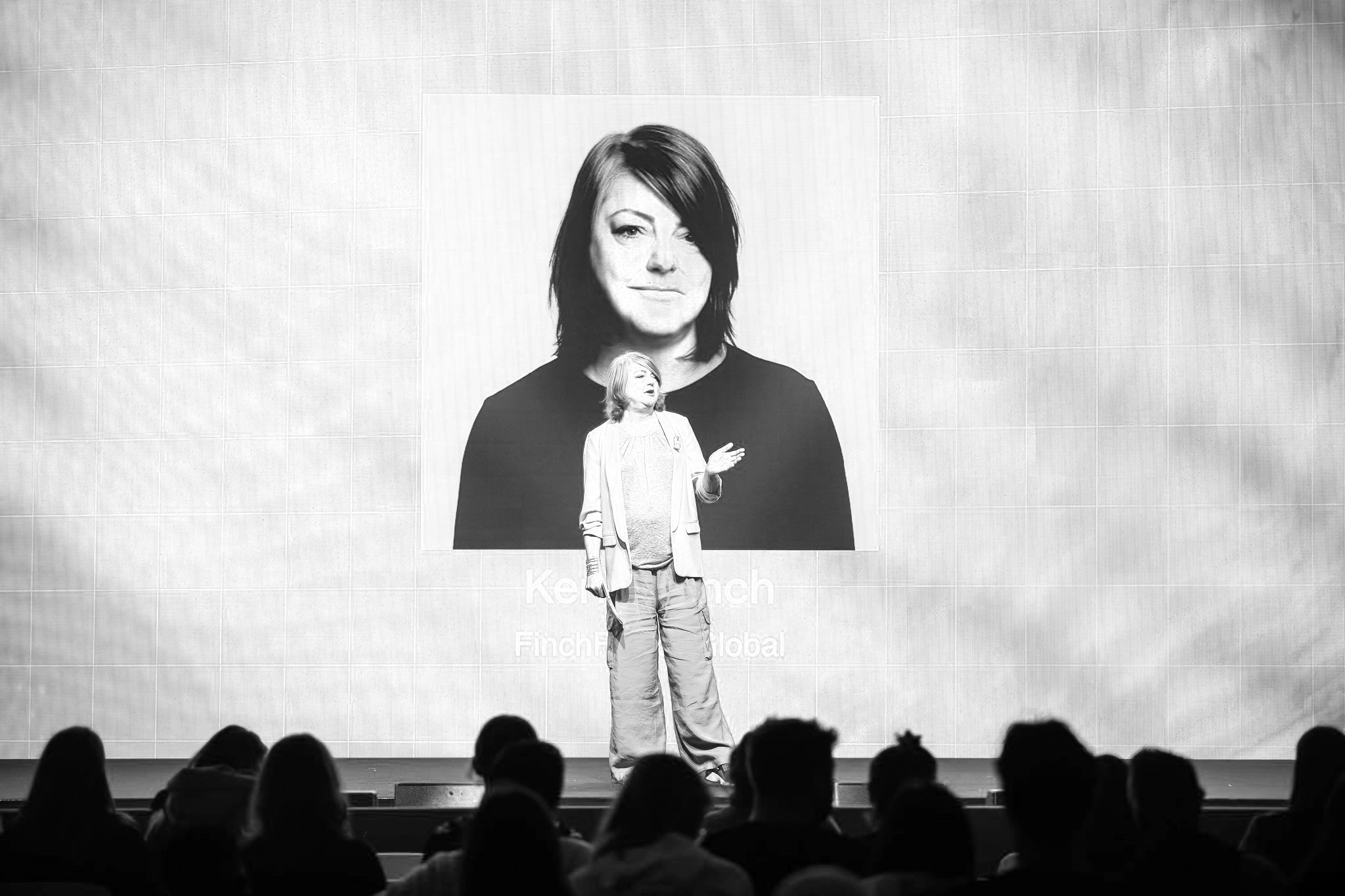
Positioning, thought leadership & communication strategy for creative innovators.
Stage MC/hosting & panel moderation for creativity conferences and emerging tech events.
speaker engagement — thought leadership — executive profiling — brand positioning — strategic communication — event programming — conference MC/hosting — speaker training — executive positioning — panel moderation — reputation management —
speaker engagement — thought leadership — executive profiling — brand positioning — strategic communication — event programming — conference MC/hosting — speaker training — executive positioning — panel moderation — reputation management —
Watch the showreel
BRAND & EXECUTIVE
POSITIONING

Thought
Leadership
With decades of specialized experience, we craft standout brand propositions through workshops and insights.
We sharpen voices and foster crystal-clear cut-through narratives.

Speaker
Engagement
Our extensive network with
the world’s top creative and tech conferences secures you the spotlight on the most prestigious stages. From topic development
to on-stage support and on-site management, we ensure your message shines.

EVENTS &
CONFERENCES

MC/Hosting &
Moderating
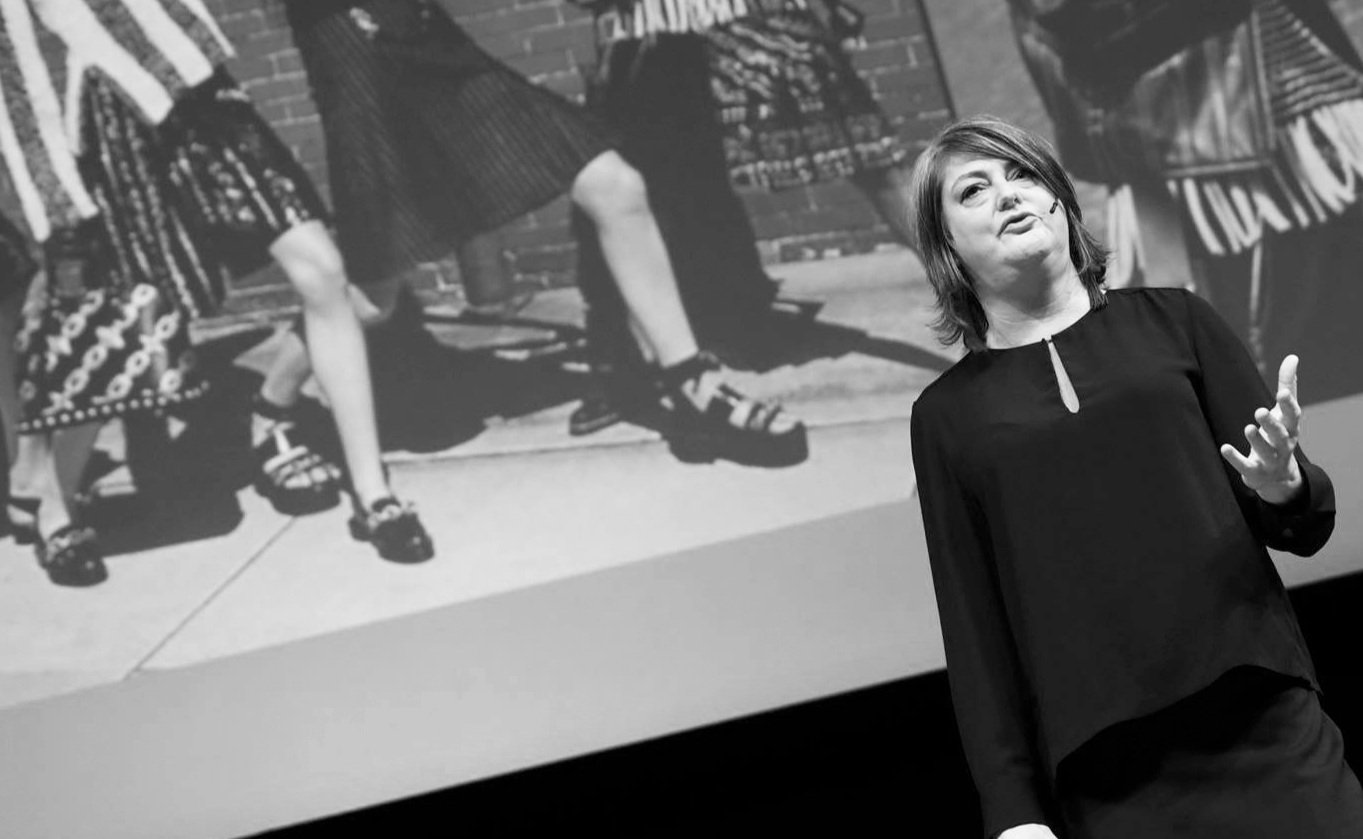
Looking for a trusted stage host/moderator with extraordinary presence, sharp wit and deep industry knowledge? Our founder, Kerrie Finch, elevates any event with her spontaneity and professionalism.

Event
Programme Curation
We know how to connect content, speakers and audiences for maximum impact. Our invaluable industry insight and long-established networks make us an expert event programmer and collaborator.
Who We Are
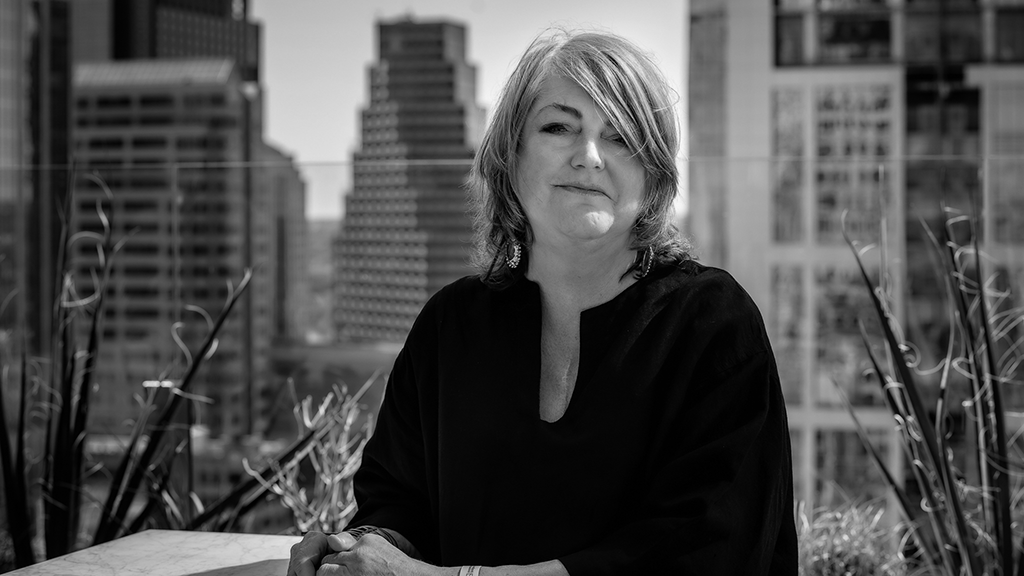
Our founder, Kerrie Finch is a super-connector with a burning curiosity in people. She is the founder of SheSays AMS, country rep for LIONS Festivals, and an alum of Wieden+Kennedy.
the FINCH factor is built on the shoulders of reputation management company FinchFactor, which Kerrie founded in 2009, with offices in Amsterdam, London and Los Angeles. She exited in 2023.
The team was strategic communication partner to Media.Monks for 12 years, building their reputation globally from 40 to 2000+ before becoming the largest acquisition (by S4 Capital) in production company history.
Clients past and present also include 180 Global, Airbnb, BlackRock, bunq, Cannes Lions, Framestore, Global Marketing Summit, Saatchi LA, SYLVAIN and TBWA\Neboko.

What We Do

We get a kick out of using three decades of experience in strategic communication, reputation management and brand positioning to shine a light on clients. Our sweet spot? Creative innovation and emerging tech.
We’re expert diamond polishers, sharpening vision, mission and purpose into a clearly articulated voice. We help brands and executives to get crystal-clear on thought leadership and messaging.
Our flexi-team includes strategists, copywriters, PR experts and social media mavens in Europe, the US and the UK. We’ve launched brands across borders, developed communication strategy for mergers, enabled businesses to pivot and transform, and built reputation for podium-shy founders.
Now it’s your turn.
Connect on social media

